Prepare your home for a professional carpet clean
If you are booking a carpet cleaner and wondering what to do before they arrive, you are not alone. A little preparation goes a long way. When you prepare your home for a professional carpet clean, you help the technician work faster, reduce the chance of delays, and make it easier to get a deeper, more even finish.
Truth be told, most people do not need to turn the house upside down. You do not need a full-day clear-out or a stressful pre-clean ritual. What you do need is a sensible plan: move a few items, vacuum properly, flag problem spots, and make access straightforward. That is usually enough to make a noticeable difference.
This guide walks through what to do, what to leave alone, and how to avoid the small mistakes that can make a carpet clean less effective than it should be. You will also find a checklist, a comparison table, and a few practical tips that come from the realities of working around lived-in homes, pets, kids, tight hallways, and the odd awkward sofa.
Expert summary: The best preparation is simple, not fussy. Clear access, protect fragile items, vacuum well, and tell the cleaner about stains, odours, or carpet fibres before the job starts. That alone covers most of the heavy lifting.
Table of Contents
- Why preparation matters
- How professional carpet cleaning works
- Key benefits and practical advantages
- Who this is for and when it makes sense
- Step-by-step guidance
- Expert tips for better results
- Common mistakes to avoid
- Tools, resources and recommendations
- Law, compliance, standards, or best practice
- Options, methods, and comparison
- Case study or real-world example
- Practical checklist
- Conclusion
- Frequently asked questions
Why Prepare your home for a professional carpet clean Matters
A professional carpet clean is not just about the machine itself. It is about how well the cleaner can access the carpet, identify problem areas, and work across the room without obstruction. If the space is cluttered or awkward to reach, the process slows down and some areas may be harder to treat properly.
Preparation matters because carpets are rarely isolated from the rest of the room. There are usually coffee tables, chairs, baskets, cables, ornaments, pet bowls, and the occasional toy that seems to have been hiding for weeks. If those items are in the way, the cleaner has to work around them, which can affect the final result.
It also helps with expectations. A good clean can refresh appearance, lift dirt from the pile, and reduce smells, but it cannot magically remove every mark if the carpet has old damage, dye transfer, or worn fibres. When you give the cleaner a heads-up about the history of the carpet, they can set the right method and avoid disappointment later.
There is another benefit that people often overlook: safety. Wet hoses, machines, and cables can become trip hazards in a busy home. A bit of space around the working area helps everyone move safely, which is especially useful if you have children, pets, or older relatives around. To be fair, no one wants to be stepping over equipment while it is 8:15 in the morning and the hallway already feels like a queue at a station.
How Prepare your home for a professional carpet clean Works
Most professional carpet cleaning visits follow a fairly predictable pattern. The cleaner arrives, checks the room, identifies fibre type and visible issues, and then chooses the best method. That might be hot water extraction, sometimes called steam cleaning, or another suitable process depending on the carpet and the condition it is in. If you want to understand that method in more depth, see steam carpet cleaning for a clearer picture of how moisture, cleaning solution, and extraction work together.
Before the machine is even turned on, the cleaner needs access to the room and a clear sense of what they are working with. You can help by moving smaller furniture, picking up loose items, and identifying stains that need special attention. That allows the technician to pre-treat areas where dirt, grease, pet marks, or food spills have settled deeper into the pile.
Then comes the actual clean. The technician typically vacuums, pre-treats, agitates if needed, and then uses the chosen method to lift embedded soil. In many homes, the best results come from a combination of good preparation and careful treatment rather than brute force. The equipment matters, of course, but so does a room that is ready for work.
If you have more than carpets to think about, it can be useful to look at how other soft furnishings are handled too. For example, some households book upholstery cleaning or rug cleaning alongside the carpets, especially in rooms where furniture and floor coverings share the same wear and tear.
Key Benefits and Practical Advantages
Good preparation is not glamorous, but it pays off in ways you will notice almost immediately. Here are the biggest benefits.
- Faster appointment flow: the cleaner spends less time moving clutter and more time treating the carpet.
- Better access to edges and corners: these are often the spots where dust and grime build up quietly.
- Improved stain treatment: pre-flagging problem areas helps the cleaner choose the right approach.
- Less disruption: the room is easier to work in, and the job tends to feel more organised.
- Reduced risk of damage: moving delicate items out of the way lowers the chance of accidents.
- More even drying: a clearer room often means better airflow and easier post-clean care.
There is also a practical emotional benefit, oddly enough. When the room is prepared, the whole visit feels calmer. You are not scrambling to clear the side table at the last minute or apologising for the pile of laundry on the armchair. Most cleaners are used to real homes, not showrooms, but a few minutes of order make the process smoother for everyone.
If your home has recurring marks from pets, drinks, or muddy shoes, preparation becomes even more valuable. It lets the cleaner focus on the issues that actually matter, rather than wasting time on avoidable obstacles. For persistent pet-related smells or spots, you may also find pet stain and odour removal useful as part of the wider plan.
Who This Is For and When It Makes Sense
This advice is useful for almost anyone booking a carpet clean, but it is especially relevant if you are in one of these situations:
- You are having a home clean before guests arrive or before moving out.
- You have children, pets, or high-traffic rooms that get dirty quickly.
- You own larger pieces of furniture that sit on the carpet and need working around.
- You are booking a deep clean after a spill, winter mud, or a long stretch without professional maintenance.
- You want to combine carpet care with other soft furnishing cleaning, such as sofa cleaning or curtain cleaning.
It also makes sense for landlords and tenants in end-of-tenancy situations. A tidy, accessible room gives the cleaner room to work and reduces the risk of missing obvious problem spots. In small flats or narrow terraces, the prep can be even more important because there is simply less space to manoeuvre. London homes, especially older ones, can be charming and awkward at the same time. That is life.
If you are comparing providers or planning the job within a budget, you may also want to review pricing and quotes before you book, so you understand what is included and what might count as an extra treatment.
Step-by-Step Guidance
Here is a clear, practical way to get ready without overdoing it. You do not need to do everything on this list, but the more relevant steps you complete, the easier the visit tends to be.
1. Clear the floor as much as possible
Pick up toys, shoes, loose cables, magazines, laundry, pet items, and anything else sitting on the carpet. A basket for quick collection works brilliantly because, let's face it, once you start gathering things from the floor, there is always one more item.
2. Move small and medium furniture
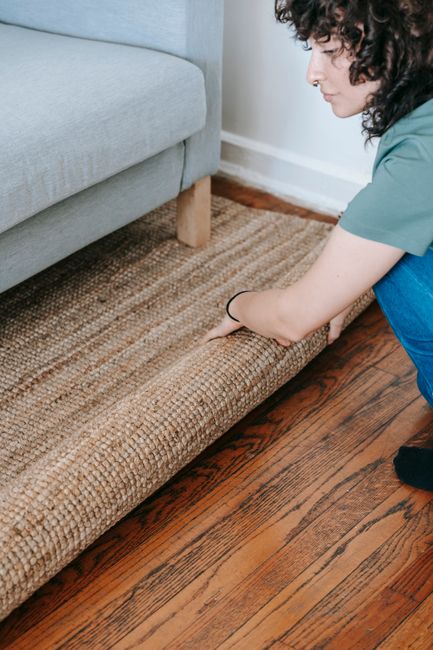
Light chairs, side tables, stools, and floor lamps are usually easy to shift if you are comfortable doing so. If a piece is heavy, awkward, or fragile, leave it in place and tell the cleaner. Do not strain your back for the sake of a coffee table.
3. Vacuum thoroughly
This is one of the most useful things you can do. A proper vacuum removes loose grit and dust that would otherwise clog the cleaning process. Go slowly, especially along skirting boards and under movable furniture. A rushed vacuum is better than none, but a deliberate one usually makes a real difference.
4. Point out stains, odours, and wear
Before the clean starts, walk the cleaner through the room and highlight problem areas. If there was a red wine spill, pet accident, grease spot, or old patch that has been bothering you, say so. It helps the cleaner choose pre-treatment products and set expectations about what can realistically be improved.
5. Secure valuables and fragile items
Move ornaments, glassware, picture frames, and small electronics to a safer place. Even careful technicians need room to work, and no one enjoys balancing around a vase perched on a low table. That sort of thing always feels slightly risky.
6. Plan access and parking if needed
If the cleaner needs to bring equipment through shared hallways, parking restrictions, or narrow front steps, let them know in advance. In some homes, the practical bottleneck is not the carpet at all, but the route to the room.
7. Keep pets and children out of the work area
Pets are curious. Children are curious. Wet carpet and powerful equipment are not the best mix for either. A separate room or a short walk while the clean is underway can make the job much smoother.
8. Ask about drying and re-entry timing
Different carpets and cleaning methods dry at different speeds. Ask the technician how long to keep off the carpet, when to replace furniture, and whether windows or heating should be adjusted. That small conversation saves a lot of guessing later.
Expert Tips for Better Results
A few small habits can improve the end result more than people expect. These are the kind of things professionals notice quickly.
- Do not over-wet the carpet beforehand. Some people think a damp carpet will help the cleaner. Usually, it just complicates the job.
- Be honest about old stains. If you have already tried home remedies, mention it. Certain products can change how a stain responds.
- Ventilate the room where possible. Open windows if weather and security allow. Fresh air can help with drying and odour.
- Keep a clear path to the sink or water access. The machine may need filling or emptying during the visit.
- Leave enough time after the appointment. Rushing the process always feels stressful, especially if the room is a main living area.
One useful trick is to take a quick phone photo of the worst areas before the clean. Not for dramatic effect. Just so you can compare before and after, and so you remember which spot needed special attention. Handy, that.
If your carpeted room is part of a larger soft-furnishings refresh, it can help to look at upholstery cleaning and stain removal as supporting services rather than separate chores. The whole room tends to look more cohesive when carpets, seating, and key fabric items are dealt with together.
Common Mistakes to Avoid
Most preparation mistakes are harmless, but a few can make the clean less effective or more awkward than it needs to be.
Leaving too much furniture in place
Big items can block entire sections of carpet. If something is too heavy to move safely, that is fine, but the cleaner should know ahead of time so they can plan around it.
Skipping vacuuming
This is the big one. Loose dust and grit sit on top of the carpet and can interfere with the cleaning process. Skipping vacuuming is like trying to wash a muddy boot without knocking the dirt off first.
Not mentioning stains in advance
Old marks sometimes need special treatment. If the cleaner only hears about them once they are on site and already set up, that can slow the visit down.
Using DIY stain products right before the appointment
This is a sneaky mistake. Some household products can set a stain or leave residues that change how professional solutions behave. If you have already treated a mark, be upfront about it.
Forgetting about pets
A barking dog in the hallway or a cat under the sofa is not ideal when hoses and machines are moving around. A little planning helps everybody stay calm.
Replacing furniture too soon
If you put heavy furniture back on a damp carpet before it has dried properly, you risk marks, dents, or delayed drying. That part matters more than people sometimes realise.
Tools, Resources and Recommendations
You do not need specialist equipment to prepare well. A few everyday items are enough.
- A good vacuum cleaner for picking up dry soil before the visit.
- Storage baskets or boxes for collecting clutter quickly.
- Microfibre cloths if you want to wipe a dusty skirting board or table before it is moved.
- Sticky notes or a simple phone note to mark stains or point out areas of concern.
- Blankets or protective pads if the technician advises covering any fragile furniture feet after cleaning.
On the service side, it can be helpful to choose a provider with clear information about how they work, what their service includes, and how they handle safety. If you want to understand more about business standards and customer protections, insurance and safety and health and safety policy are sensible pages to review. They help set expectations about care, responsibility, and risk management.
If you prefer to learn about the company itself before booking, about us is the natural place to start. It is always better to know who is coming into your home, especially if the job involves moving furniture and working around personal items.
Law, Compliance, Standards, or Best Practice
For most homeowners, this topic is less about formal regulation and more about sensible best practice. Still, a few points matter in the UK context.
First, any professional working in your home should operate carefully and responsibly, with suitable attention to safety and insurance. You do not need to become a compliance expert, but it is reasonable to ask whether the company is insured and how they handle potential damage or accidental issues. That is just good sense.
Second, if you live in a rented property, it is worth checking your tenancy agreement before moving large items or making assumptions about what can be cleaned and when. Some landlords have preferences around end-of-tenancy cleaning, and carpets are often part of that discussion.
Third, when cleaners use chemicals or cleaning solutions, best practice is to follow label guidance and avoid mixing products at home. No drama needed, just common caution. If you are sensitive to fragrances or have concerns about children, pets, or allergies, tell the cleaner in advance so they can advise accordingly.
Finally, professional carpet cleaning should be carried out with respect for access, personal property, and any relevant building rules such as shared hallways, block access, or parking arrangements. In flats and managed properties, these small details can matter more than people expect.
Options, Methods, and Comparison
Not every clean is the same, and not every home needs the same level of preparation. Here is a straightforward comparison to help you think it through.
| Approach | What it means | How much prep you usually need | Best for |
|---|---|---|---|
| Light tidy and vacuum | You clear clutter and vacuum before the cleaner arrives | Low to moderate | Routine maintenance, standard rooms, easier access |
| Full room clear | Most movable items are removed from the carpeted area | Moderate to high | Deep cleans, end of tenancy, high-traffic rooms |
| Spot-focused preparation | You highlight stains and leave furniture in place where needed | Low | Busy homes, heavy furniture, urgent appointments |
| Whole-room refresh | Carpets are cleaned alongside other fabrics in the room | Moderate | Homes wanting a more complete freshen-up |
In practice, the best option is usually the one that balances access with realism. There is no prize for moving a wardrobe if it is unsafe to do so. Better to prepare smartly than to overcommit and end up sore, flustered, and slightly annoyed with the whole idea.
Case Study or Real-World Example
Here is a very typical scenario. A family in a two-bedroom flat books a carpet clean after noticing a patchwork of muddy footprints in the hallway and a faint smell from the living room rug area. They want it done before weekend visitors arrive, which is a familiar bit of pressure in itself.
Instead of trying to clear the entire flat, they focus on the essentials. The hallway is swept of shoes and bags, the living room coffee table is moved, small ornaments are boxed up, and the carpet is vacuumed thoroughly. They also point out one drink stain near the sofa and a pet area by the window. Nothing dramatic, just useful information.
When the cleaner arrives, the room is ready. The work starts quickly, problem areas are treated first, and there is less time wasted on rearranging the space. The result is cleaner, yes, but also calmer. The family gets the room back more quickly, and there is no last-minute panic about where the remote control went. That sort of thing happens more often than people admit.
Now compare that with the alternative: a cluttered room, no vacuuming, a hidden stain, and a dog wandering in and out. Same carpet, same service, very different experience.
Practical Checklist
Use this quick checklist the day before or the morning of the appointment.
- Pick up toys, cables, shoes, and loose items from the carpet.
- Move light furniture where it is safe to do so.
- Vacuum all carpeted areas, including edges and corners.
- Identify visible stains, odours, and wear patterns.
- Tell the cleaner about pet accidents, spills, or previous treatments.
- Put away fragile ornaments and valuable items.
- Make sure the cleaner can access the room easily.
- Keep pets and children away from the work area.
- Ask how long the carpet should dry before walking on it.
- Confirm whether furniture can be returned the same day.
If you want a broader clean across the home, you might also review mattress cleaning or rug cleaning, especially if allergies, dust, or lingering odours are part of the reason you are booking in the first place.
Conclusion
Preparing for a professional carpet clean does not need to be stressful or time-consuming. In most homes, the most useful steps are simple: clear the floor, vacuum properly, move what is safe to move, and tell the cleaner what needs attention. That practical groundwork helps the technician do a better job and gives you a smoother experience from start to finish.
When you prepare well, the clean usually feels less disruptive and the results tend to look better for longer. That is the quiet payoff. Not flashy, just effective.
If you are comparing providers, checking service details, or making sure your home is ready for the appointment, it is worth taking a calm, organised approach. A few thoughtful minutes before the visit can save a lot of faff later.
Get a free quote today and see how much you can save.
If you are ready to take the next step, use the preparation advice above to make the appointment easier, safer, and more worthwhile. A cleaner carpet can change the feel of a room more than people expect, and that fresh, just-done feeling is always nice to come home to.
Frequently Asked Questions
Do I need to vacuum before a professional carpet clean?
Yes, in most cases you should. Vacuuming removes loose dirt, grit, hair, and crumbs so the cleaner can focus on embedded soil and stains rather than surface debris.
Should I move furniture before the cleaner arrives?
Move smaller items if it is safe and practical to do so. Heavy or fragile furniture is usually best left in place unless the cleaner has told you otherwise.
How do I prepare for carpet cleaning if I have pets?
Keep pets in another room, a crate, or out of the house during the appointment if needed. It also helps to tell the cleaner about any pet stains or odours in advance.
Can I walk on the carpet straight after cleaning?
Usually not immediately. Drying time depends on the method used, carpet type, airflow, and room conditions. Ask the cleaner for a specific estimate before they leave.
What should I tell the carpet cleaner before they start?
Tell them about visible stains, odours, previous spill treatments, delicate furniture, access issues, and any concerns about fibre type or room use.
Do I need to strip the room completely?
No, not usually. Most homes only need a sensible clear-out of small items and movable furniture. Over-preparing can be unnecessary, especially in busy households.
Will a professional carpet clean remove all stains?
Not always. Many marks improve significantly, but some stains are permanent or have already damaged the fibres. An honest assessment is better than unrealistic promises.
Should I use shop-bought stain remover before the appointment?
Only if you have already been advised to do so or the product label is suitable. Otherwise, it is better to tell the cleaner what happened and let them decide the best treatment.
How long before the appointment should I start preparing?
For most homes, a light preparation the day before or on the morning of the visit is enough. Bigger rooms or end-of-tenancy jobs may need more time.
What if I cannot move heavy furniture?
That is completely normal. Leave it in place and tell the cleaner. They can often work around it or advise on the safest approach.
Is it worth booking carpet cleaning with other services?
Sometimes, yes. If the room also has sofas, rugs, curtains, or mattresses that need attention, combining services can create a more even overall refresh.
How do I know if a carpet cleaning company is reliable?
Look for clear service information, sensible safety practices, and transparent policies. Pages such as terms and conditions and privacy policy can help you understand how a business handles bookings and customer data.